FAQs
Nutritionist Tips for Better Men's Health & Wellness

How can I boost my energy levels?
Proper nutrition is fundamental to maintaining sustained energy throughout your day. Focus on balanced meals combining lean proteins, whole grains, and healthy fats. Stay hydrated consistently, as dehydration directly impacts energy and mental clarity. Limit processed foods and refined sugars that cause energy crashes. Include nutrient-dense foods like nuts, seeds, and leafy greens. Consider timing your meals to stabilize blood sugar levels and prevent afternoon fatigue.
Why is protein important for men's health?
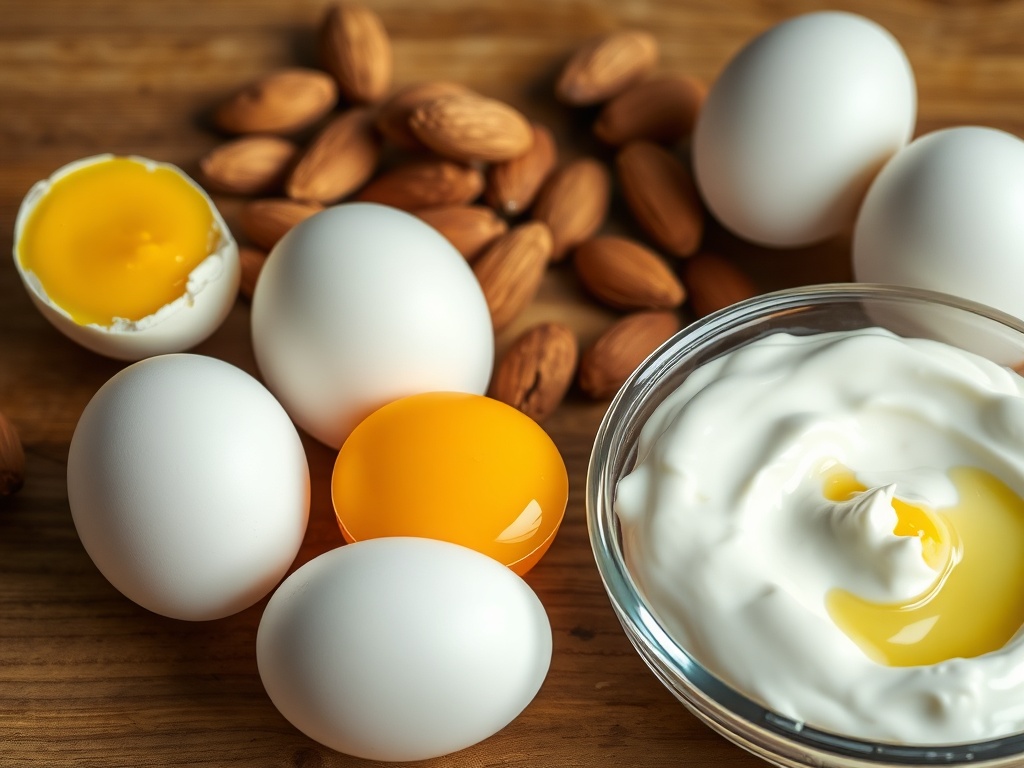
Protein serves multiple critical functions in male physiology, from building and maintaining muscle mass to supporting hormone production and immune function. Adequate protein intake helps regulate metabolism and keeps you feeling fuller longer, supporting healthy weight management. Quality sources include chicken, fish, eggs, legumes, and Greek yogurt. Aim for consistent protein distribution across meals rather than loading it all at once for optimal muscle synthesis and recovery.
What are the essential nutrients men should prioritize daily?
Men require specific nutrients to maintain peak health and vitality. Zinc supports testosterone production and immune function. Magnesium aids muscle recovery and stress management. Vitamin D strengthens bones and supports mood regulation. Omega-3 fatty acids promote heart health and cognitive function. B vitamins enhance energy metabolism and nervous system health. Iron maintains oxygen transport and prevents fatigue. Include diverse whole foods and consider supplementation after consulting healthcare providers for personalized needs.
How does hydration affect male performance and health?
Hydration influences nearly every bodily function, from cognitive performance to physical endurance and recovery. Even mild dehydration reduces strength, power output, and mental focus. Men typically need more water than women due to larger muscle mass and higher metabolic rates. Aim for eight to ten glasses daily, adjusting for activity level and climate. Monitor urine color as an indicator of hydration status. Proper hydration supports nutrient transport, temperature regulation, and joint lubrication.
What dietary changes improve cardiovascular health?
Heart health depends significantly on nutritional choices throughout your life. Reduce saturated fats and trans fats while increasing omega-3 rich foods like salmon, sardines, and walnuts. Include soluble fiber from oats and beans to manage cholesterol levels. Limit sodium intake to support blood pressure regulation. Incorporate antioxidant-rich foods like berries and dark leafy greens. Minimize alcohol consumption and eliminate sugary beverages. Regular exercise combined with these dietary changes creates powerful cardiovascular protection.
How should men approach meal planning and nutrition?
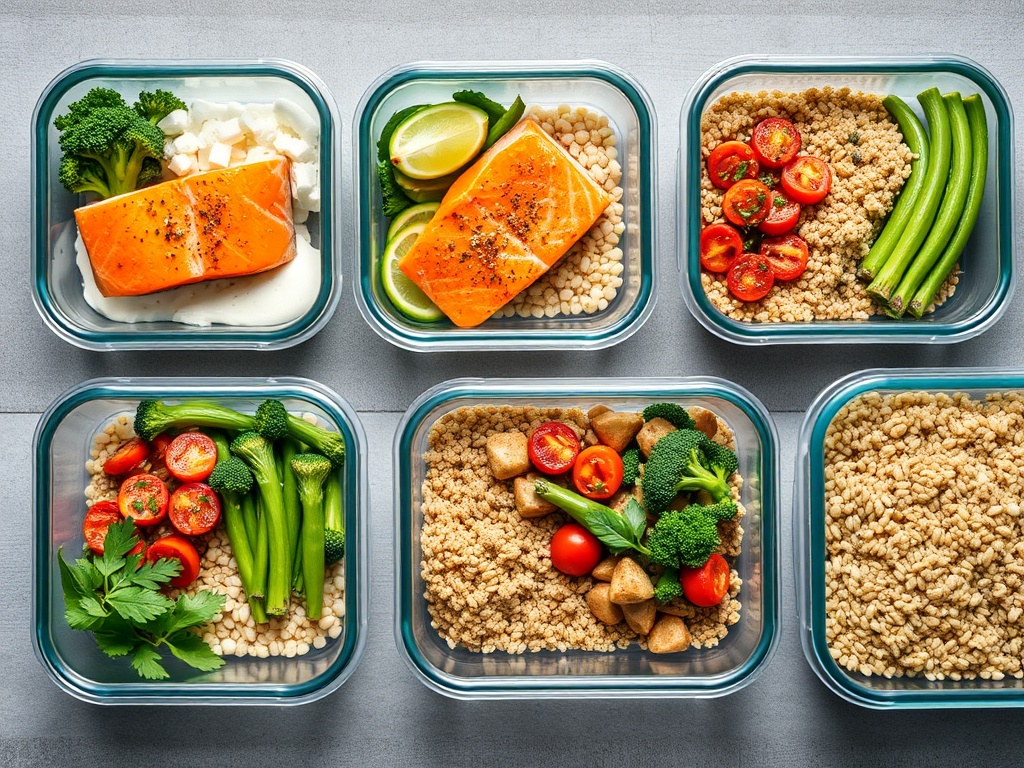
Strategic meal planning ensures consistent nutrition and prevents impulsive unhealthy choices. Prepare meals in advance focusing on balanced macronutrients across each meal. Include a protein source, whole grains, and plenty of vegetables. Keep healthy snacks readily available like nuts, fruit, and yogurt. Track your intake periodically to identify nutritional gaps. Consider your training schedule and adjust calories and nutrients accordingly. Consistency matters more than perfection for sustainable health improvements.
Common Nutrition Questions for Men's Health & Wellness

Does meal timing affect fitness results?
Meal timing influences energy availability during workouts and post-exercise recovery. Eating carbohydrates and protein two to three hours before exercise provides sustained fuel for performance. Post-workout nutrition within thirty to sixty minutes helps replenish glycogen and stimulates muscle protein synthesis. However, total daily calorie and nutrient intake matters more than precise timing. Individual preferences and digestion rates vary, so experiment to find your optimal eating schedule that supports your performance goals.
What role do supplements play in men's nutrition?
Whole foods should form your nutrition foundation, with supplements filling specific gaps identified through assessment or testing. Creatine, whey protein, and vitamin D are evidence-backed options for many men. Multivitamins may help address deficiencies in inadequate diets. Consult healthcare professionals before starting supplements to ensure appropriateness and safety. Quality matters significantly with supplements, so choose reputable brands. Remember supplements enhance but cannot replace balanced nutrition, adequate sleep, and consistent exercise.
How can men manage weight while maintaining muscle mass?
Weight management without losing muscle requires prioritizing protein intake during caloric deficit periods. Resistance training signals your body to preserve muscle while losing fat. Create modest calorie deficits rather than extreme restrictions which cause muscle loss. Include micronutrient-dense foods supporting metabolism and recovery. Stay consistent with training intensity and volume. Monitor progress through body composition rather than scale weight alone. This approach typically takes longer but produces sustainable results and improved body composition.
What nutrients support mental health and focus?
Brain health depends on specific nutrients including omega-3 fatty acids, B vitamins, magnesium, and antioxidants. Fatty fish, nuts, and seeds support neural function and mood regulation. B vitamins from whole grains and leafy greens aid neurotransmitter production. Magnesium supports stress management and sleep quality. Antioxidant-rich foods protect against cognitive decline. Limit sugar and processed foods which impair mental clarity. Proper hydration directly impacts concentration and cognitive performance throughout your day.
How does alcohol affect nutritional health?
Alcohol significantly impacts nutritional status and health outcomes for men. It interferes with nutrient absorption, particularly B vitamins and minerals. Excessive consumption leads to dehydration and disrupts sleep quality crucial for recovery. Alcohol provides empty calories contributing to weight gain without nutritional benefit. Moderate consumption may offer some health benefits, but consistency and moderation remain key. Consider limiting intake to support your fitness goals, mental clarity, and overall wellness objectives.
What foods naturally boost testosterone levels?
While no food dramatically increases testosterone, certain nutrients support healthy hormone production. Zinc-rich foods like oysters, beef, and pumpkin seeds support testosterone synthesis. Vitamin D from sunlight and fatty fish maintains optimal hormone levels. Cruciferous vegetables support healthy estrogen metabolism. Healthy fats from avocados and nuts are necessary for hormone production. Maintain adequate calories and sleep, reduce stress, and exercise consistently as these fundamentally impact testosterone more than specific foods.

Get your personalized nutrition assessment
Expert guidance designed specifically for your health goals